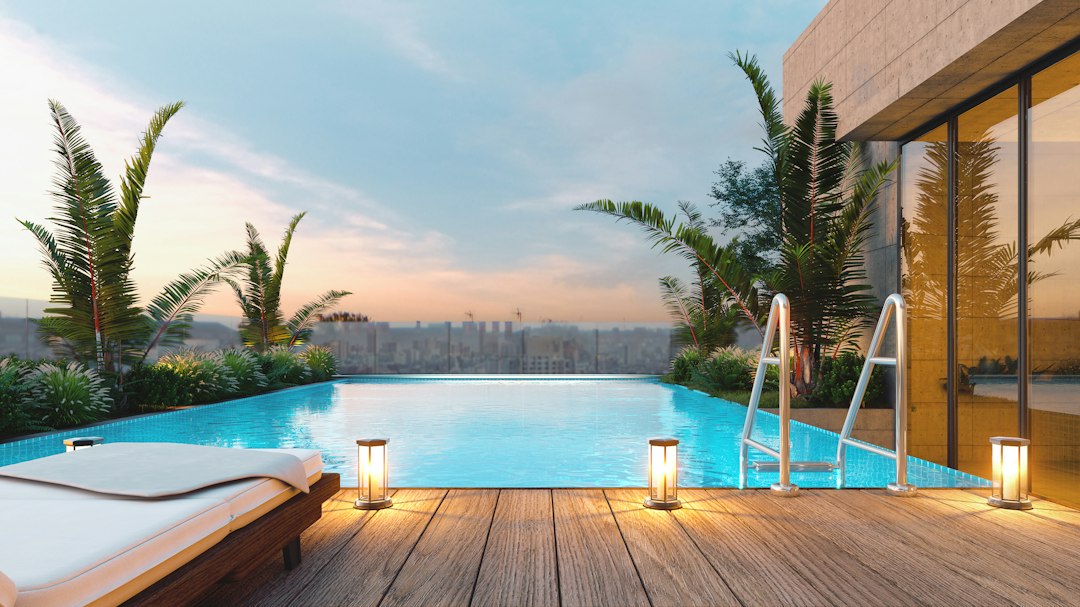
Careful site planning helps shape a pool that fits the yard, drainage patterns, and existing landscape features. Slope, soil conditions, utility locations, and access for equipment can all affect the construction approach. In Stone Mountain, tree placement and sun exposure are also worth reviewing because they influence debris levels, shade, and long-term maintenance. A well-planned layout can improve both function and how naturally the pool blends with the outdoor space.
Material selection affects appearance, comfort, and upkeep around a swimming pool. Natural stone, concrete decking, waterline tile, and interior finishes each have different textures, heat retention levels, and maintenance needs. Some surfaces create a more rustic, natural look, while others support a cleaner, more modern design. Comparing these options early can help homeowners balance style, durability, and everyday usability.
Swimming pool construction typically moves through several stages, including design, excavation, structural work, plumbing, electrical installation, and finishing details. Each phase depends on proper sequencing, inspections, and weather conditions, so timelines can vary from one project to another. Homeowners should also plan for decisions about decking, coping, drainage, and fencing as the build progresses. Understanding the process in advance makes it easier to prepare the property and communicate clearly throughout the project.
Start by deciding what you want the pool to do for your household. Some owners want a place for exercise, others want shallow space for younger children, and some care most about entertaining. Those goals affect size, depth, shape, steps, tanning ledges, and the amount of deck space needed around the water. It is easier to make good design choices when you know how the pool will be used most of the time, not just on special occasions.
Next, look closely at the yard itself. Property lines, easements, septic systems, utility locations, retaining walls, and existing trees can all limit where a pool can go. A yard may seem large enough until access for excavation equipment, material delivery, and grading is considered. Narrow side yards or fenced lots can complicate construction and should be reviewed early.
Key site factors to review:
Sunlight and drainage matter more than many homeowners expect. A pool placed in full sun usually feels more comfortable and may reduce the need for additional heating, while heavy shade can keep water cooler and increase debris from nearby trees. Discover options for Stone Mountain Swimming Pool Company as part of planning a new inground swimming pool.. Drainage should be planned so rainwater moves away from the pool, deck, and house foundation. Low spots in the yard can create runoff problems if grading is ignored.
Neighborhood context is also worth considering before finalizing a plan. The pool design should fit the scale of the lot and leave enough usable yard for walking, seating, and other outdoor activities. Nearby homes, fencing, and sight lines may affect privacy and placement. In Stone Mountain, local topography and established neighborhoods can create layout challenges, so an early site review helps identify issues before construction begins.
The first big decision is the pool type. Most homeowners choose an in-ground concrete, fiberglass, or vinyl-lined pool. Concrete offers the most flexibility for custom shapes, tanning ledges, spas, and integrated water features, but it usually requires more upkeep over time. Fiberglass comes in preformed shells, so shape and size options are more limited, yet the smooth surface is easier to maintain. Vinyl-lined pools can work well for certain layouts, though the liner will need replacement eventually.
Key pool type considerations:
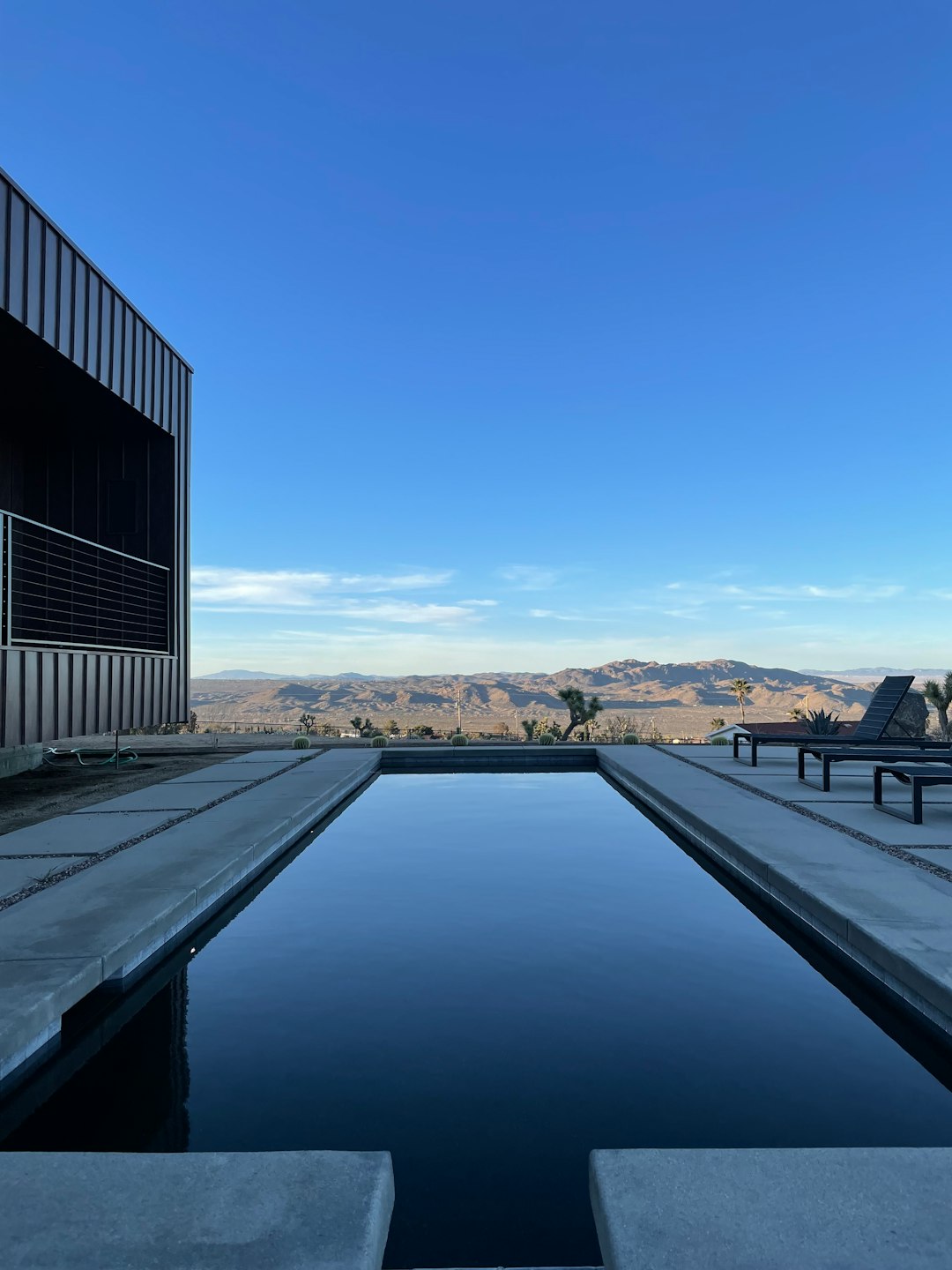
Shape matters more than many people expect. A simple rectangle is often best for lap swimming, automatic covers, and a clean, modern look. Freeform designs can feel softer and fit more naturally into curved patios or landscaped backyards. The right choice depends on how the pool will actually be used. If the goal is exercise, a long, straight layout makes sense. If the pool is mainly for family recreation, shallow play space, entry steps, and lounging areas may matter more.
Depth should match the intended use. Deep water adds cost and may reduce usable standing area if most swimmers just want to relax or play. Many homeowners now prefer pools with a larger shallow section, a moderate deep end, or a consistent depth for easier use.
Features and finishes also shape the final design. Built-in benches, sunshelves, lighting, waterfalls, and attached spas all affect construction, maintenance, and long-term enjoyment. Decking is just as important. Concrete, pavers, and natural stone each create a different look and footing under wet conditions. When all of these choices work together with the home’s style, the yard’s layout, and the amount of maintenance the owner is willing to handle, the design tends to perform better and feel more cohesive.
A proper site inspection helps identify issues before design and excavation begin. The builder will usually review backyard access, existing drainage patterns, tree placement, and the proximity of the home or other structures. Tight access can affect equipment choice and construction timing, while poor drainage can create problems around the pool shell and deck. This step also helps confirm whether the planned pool location is practical for both construction and long-term use.
Soil conditions and grading directly affect pool construction. Sloped yards, loose fill, or unstable soil may require additional engineering, excavation adjustments, or retaining features to support the project safely. Grading also influences how water moves across the property, which matters during heavy rain and routine maintenance. Reviewing these conditions early helps reduce the risk of settling, erosion, or water collecting where it should not.
Underground and overhead utilities must be located before excavation starts. Gas lines, water lines, sewer connections, electrical service, and communication lines can all affect where a pool and its equipment can be placed. In many cases, utility marking is coordinated before digging to prevent damage and avoid service interruptions or safety hazards. Equipment layout matters as well, since pumps, filters, and heaters need proper clearance and utility connections.
Local setback rules and building code requirements help determine where a swimming pool can be placed on the property. These rules can involve distance from property lines, easements, septic systems, structures, and utility areas. Fence and barrier requirements may also apply, along with rules for gates, alarms, or other safety features. Because requirements can vary by jurisdiction, homeowners should confirm the current standards that apply to a Stone Mountain project before finalizing plans.
Common code considerations include:
Most pool projects require permits, and approval usually depends on submitted plans showing the pool layout, equipment placement, and code compliance. Depending on the property and scope of work, separate reviews may be needed for electrical, plumbing, grading, or structural elements. Inspections often take place at key stages, such as after excavation, steel placement, bonding, and final completion. Starting work without the proper approvals can lead to delays, corrections, and added expense.
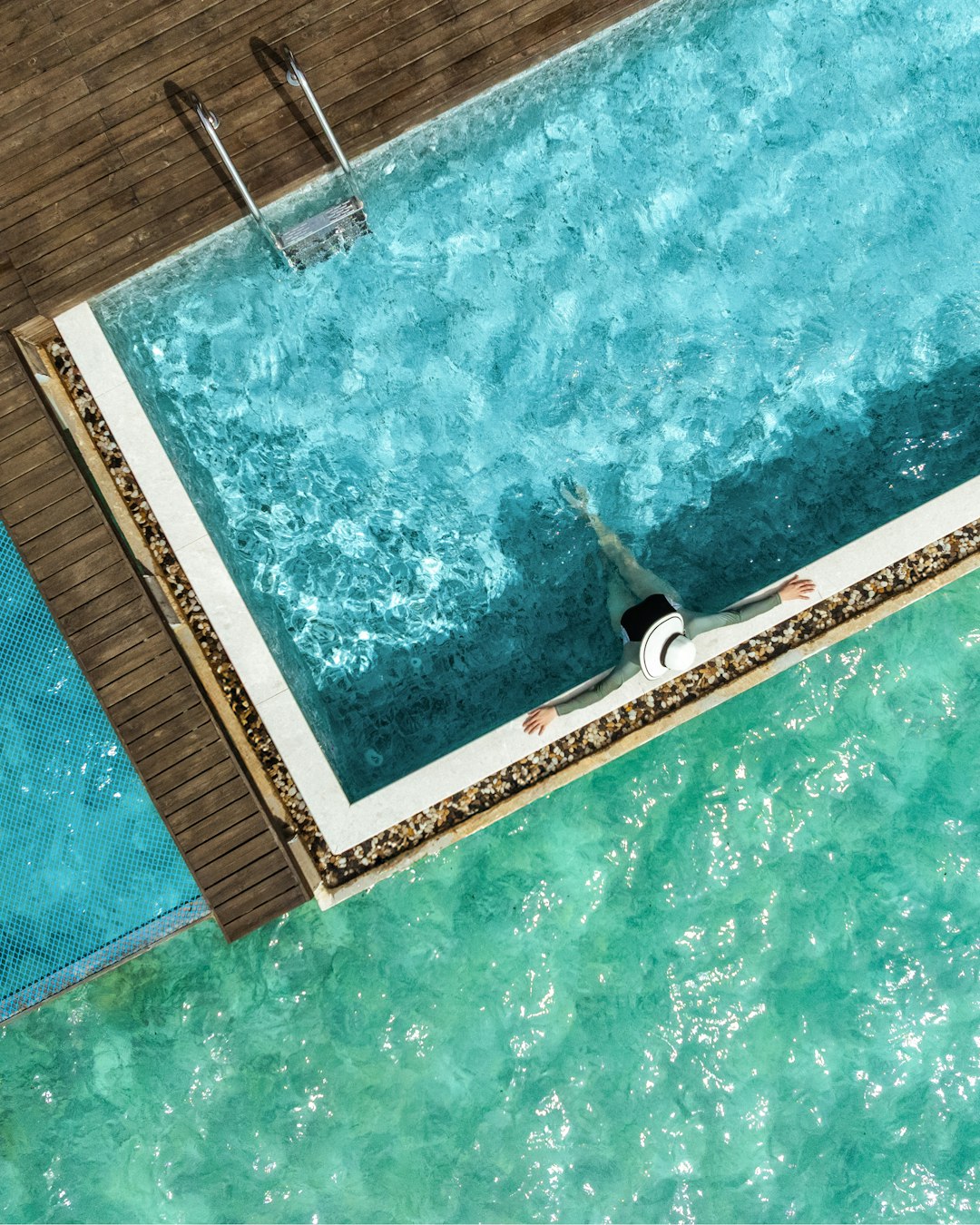
Most pool projects move through a predictable sequence, and knowing the order helps you understand the timeline and what each phase accomplishes. It usually starts with final design approval, engineering, and permit submission. At this point, the layout, dimensions, depth changes, equipment placement, and features like steps, tanning ledges, or spas are confirmed so the crew can build from an approved plan instead of making changes in the field.
Plumbing and electrical work follow. Pipes are run for circulation, skimmers, main drains, returns, water features, and cleaning systems if included. Electrical work typically covers bonding, lighting, equipment connections, and any controls or automation. These systems are usually inspected before they are covered.
The last steps include filling the pool, starting up the equipment, balancing the water, and completing final inspections. Homeowners should also expect a walkthrough covering operation, cleaning, and basic maintenance so they know how the finished pool should function from day one.
Typical construction sequence:
Once permits are in place, excavation begins. The outline is marked, access is prepared, and heavy equipment removes soil to the required shape and depth. After digging, the structure is formed. For a gunite or shotcrete pool, steel rebar is installed first to create the structural shell, then the concrete material is applied. This stage determines the pool’s strength, so accuracy matters.
Next comes the surface and surrounding area. Coping is installed at the pool edge, decking is formed and poured or laid, and the interior finish is applied after the shell has cured and prep work is complete. Depending on the finish, this may be plaster, pebble, or another approved surface.
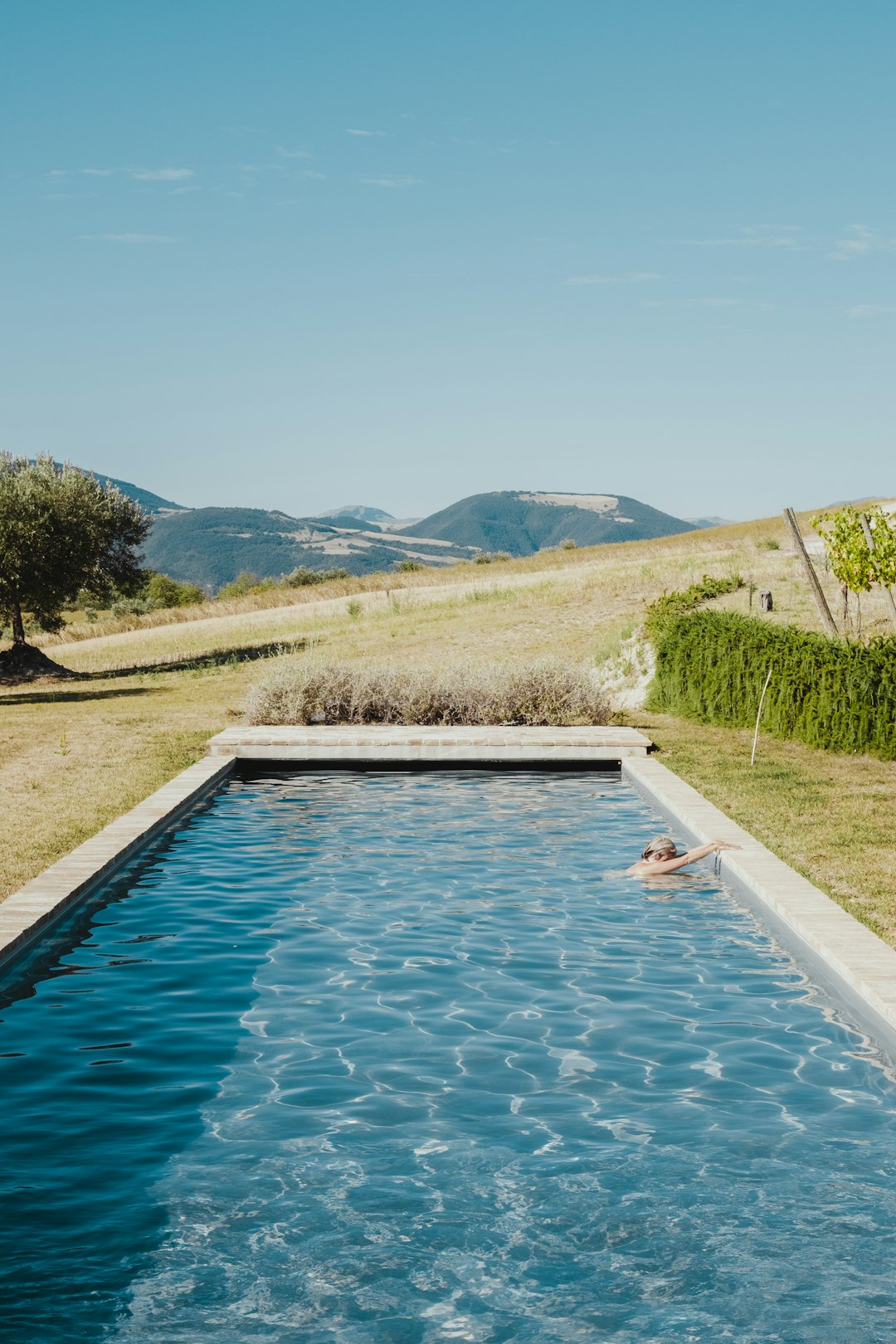
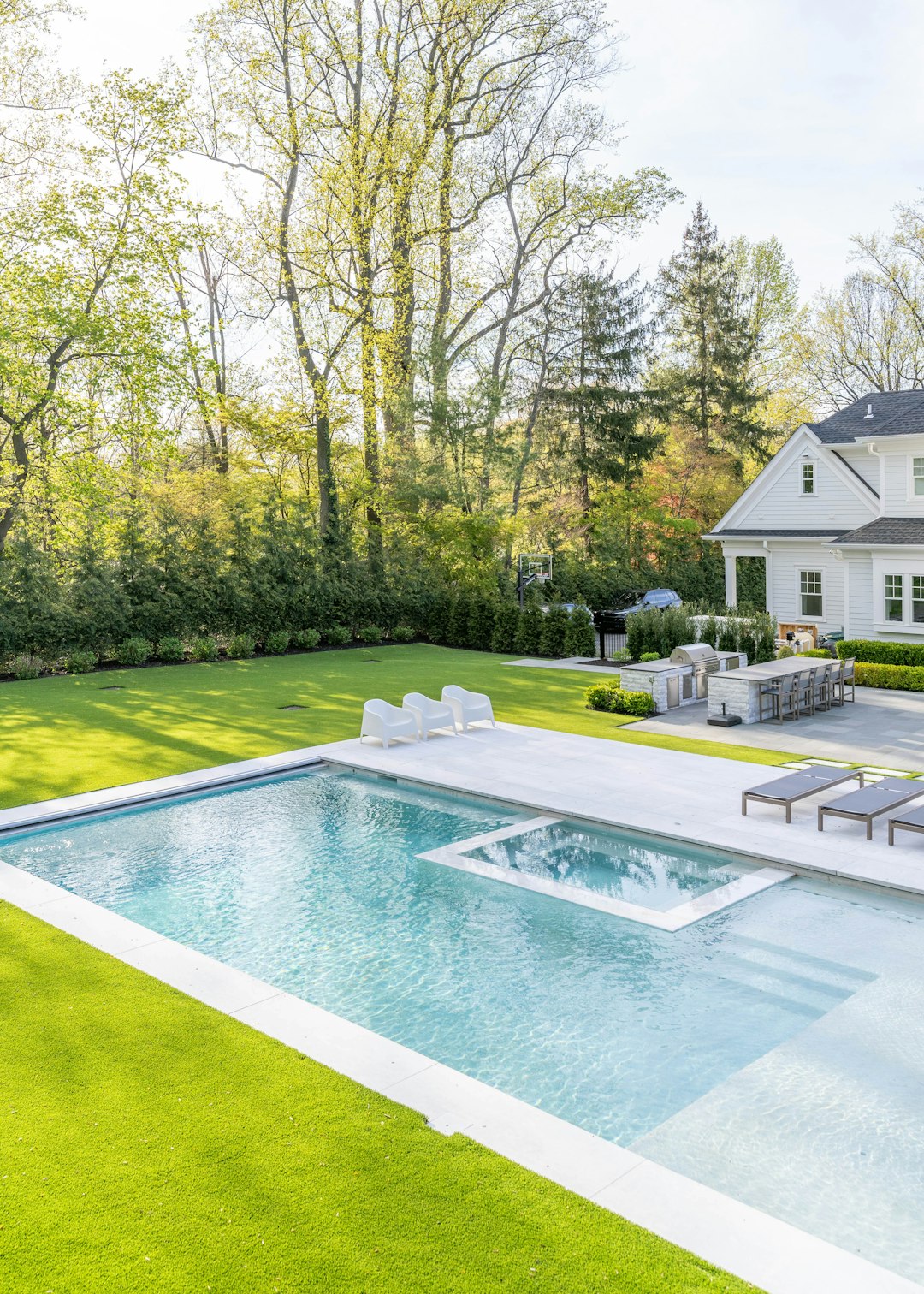
Concrete is the most common material for a custom in-ground pool because it can be formed into almost any shape and works well for features like tanning ledges, raised walls, and spas. Fiberglass shells install faster and have a smooth surface that resists algae, but shape and size choices are more limited. Vinyl-lined pools usually cost less upfront, though liners eventually need replacement and can be damaged by sharp objects or improper water balance.
Interior finishes affect both appearance and maintenance. Standard plaster is common and relatively simple, but it can show wear over time. Aggregate finishes, which blend plaster with quartz or pebbles, usually last longer and offer more texture and color variation. Tile is often used for waterlines and accents because it is durable and easier to clean than bare plaster in areas where oils and minerals collect.
For the pool edge, coping materials such as travertine, concrete, brick, or natural stone should be chosen for slip resistance, heat retention, and compatibility with the deck. Decking options include broom-finished concrete, pavers, stamped concrete, and stone. A surface that looks good when dry may be too slick or too hot in full sun, so test samples if possible.
Key equipment and feature considerations:
Equipment choices matter just as much as finishes. Variable-speed pumps are generally quieter and more efficient than single-speed models. Cartridge filters are easy to maintain, while sand and DE filters differ in cleaning method and filtration fineness. LED lighting improves visibility and nighttime use. Water features like bubblers, sheer descents, and deck jets add sound and movement but increase plumbing complexity. For heating, gas heaters warm water quickly, while heat pumps are more efficient for steady use in milder weather.
Project cost usually starts with size and shape. A larger pool takes more excavation, steel, plumbing, concrete, and finish material, so it increases both construction time and total cost. Shape matters too. Simple layouts are generally easier to build, while freeform designs, deep ends, tanning ledges, and integrated spas add labor and materials.
Site conditions can change the budget quickly. Sloped yards, limited equipment access, rock in the soil, drainage issues, or the need for retaining walls can all raise installation costs. In areas with tighter lot layouts or elevation changes, planning for grading and water management is especially important. Skipping that discussion early can lead to change orders later.
Material and finish selections also affect the final cost. Interior finishes, coping, waterline tile, decking, and stone details vary widely in price and maintenance needs. Some options cost more upfront but may last longer over time or require less frequent refinishing. The same is true for features like waterfalls, lighting, automation, heaters, and covers. They can improve convenience and enjoyment, but each adds equipment, installation complexity, and future service considerations.
Common cost drivers to review:
Equipment choices have a direct impact on monthly ownership costs. Pumps, filters, heaters, and sanitizing systems differ in efficiency, noise level, and upkeep. A lower initial price is not always the better value if the system uses more electricity, needs more chemicals, or requires more frequent repairs.
Long-term ownership includes regular cleaning, water testing, chemical treatment, seasonal opening and closing when needed, and occasional repairs to surfaces, tile, equipment, or decking. Utility use matters too, especially if the pool is heated or has water features that run often. A realistic budget should account for both the build and the years of operation that follow.
One of the biggest problems starts before any digging begins: a vague project scope. If the plans do not clearly define the pool size, depth, finish materials, decking, equipment, lighting, fencing, and any added features, misunderstandings are almost guaranteed. What seems included in a sketch or verbal conversation may not appear in the contract. Ask for detailed plans and written specifications so you know exactly what is being built and what is not.
Key details to confirm in writing:
Site conditions are another common blind spot. In Stone Mountain, a yard may look suitable at first glance but still have grading, drainage, access, or setback issues that affect construction. Poor drainage can direct water toward the pool or home, leading to erosion, deck movement, or standing water after heavy rain. Limited access can also change how materials and equipment reach the backyard, which may affect the construction process and schedule. These issues should be reviewed early, not after excavation starts.
Homeowners also make the mistake of choosing features based only on appearance. Waterfalls, spas, tanning ledges, fire features, and complex lighting can all add enjoyment, but they also increase maintenance, cleaning needs, equipment demands, and long-term repair considerations. A feature that looks appealing on paper may require more care than expected.
Finally, do not rush through the contract. Review payment terms, allowances, change order procedures, the construction timeline, cleanup responsibilities, permit handling, and who is responsible for inspections. If delays happen because of weather, material availability, or site conditions, the contract should explain how those situations are handled. Clear documents reduce disputes and help keep the project organized from start to finish.